
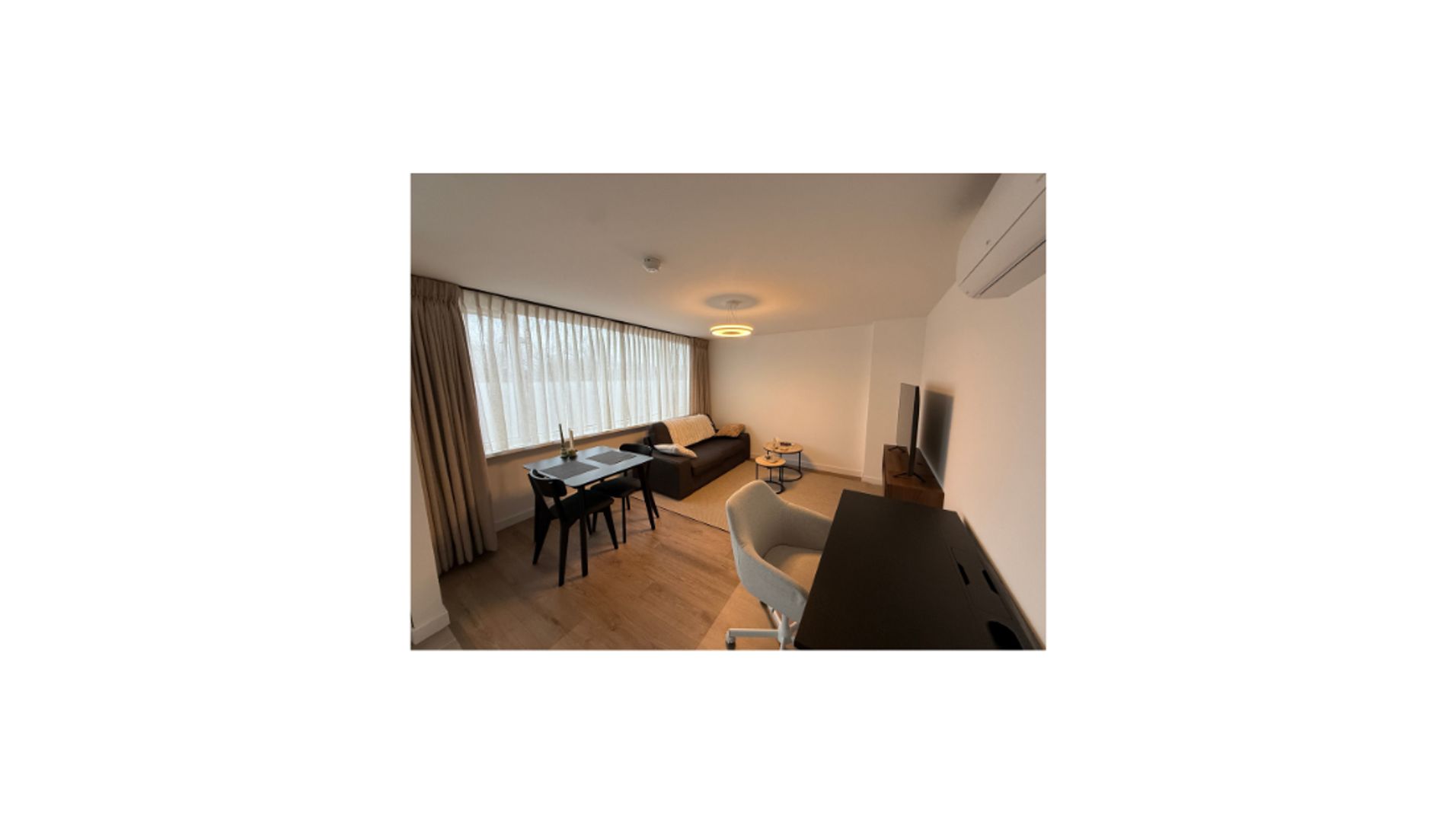
Short-Stay Rentals & 21% VAT from 2026 — What Do You Need to Know?
From January 1, 2026, an important change will take effect for anyone offering overnight accommodations, including hotel rooms, holiday homes, B&Bs, guesthouses, and short-stay rentals through platforms like Airbnb or Booking.com.
Hier is de volledige tekst vertaald naar het Engels, met de titels in bold, zoals je vroeg:
From January 1, 2026, an important change will take effect for anyone offering overnight accommodations. This applies to hotels, holiday rentals, B&Bs, and short-stay rentals through platforms like Airbnb or Booking.com.
What exactly is changing?
The government has decided to increase the VAT rate for overnight stays (lodging) from 9% to 21%. This change is included in the Tax Plan and explained on Ondernemersplein by the Dutch government.
The increase applies to:
-
Hotels
-
Holiday homes
-
Bed & Breakfasts
-
Guesthouses and hostels
-
Short-stay rentals via platforms
-
Furnished accommodations for short stays
Campsites and camping with tents, caravans, and campers remain at the 9% rate.
When does the change take effect?
The VAT increase applies from January 1, 2026.
It is important to note that bookings made now but used in 2026 will already be subject to the 21% VAT rate. The relevant date is the overnight stay, not the booking or payment date.
Why is the rate being increased?
The government wants to simplify the VAT system and generate additional tax revenue. The reduced rate for lodging will be abolished, making overnight stays fiscally equivalent to other commercial services.
Impact on short-stay landlords
Higher prices or lower margins
Where you currently charge 9% VAT on short-stay rentals, you will need to charge 21% VAT from 2026. This means:
-
higher prices for guests, or
-
lower net income if the increase is not fully passed on
Example:
A stay of €100 excluding VAT currently costs €109 including VAT.
From 2026, it will cost €121 including VAT.
Adjustment of administration and systems
Landlords must prepare their administration for:
-
invoicing with 21% VAT
-
updated price listings on websites and platforms
-
correct VAT filings from 2026
Reservation systems and channel managers also need timely updates.
Short stay versus regular rentals
The VAT increase applies only to lodging and short-term stays.
Regular long-term residential rentals, with tenant protection and without hotel-like services, remain largely VAT-exempt.
It is therefore important to clearly document:
-
the type of rental offered
-
the duration of the stay
-
which services are included
In case of doubt, reclassification by the Tax Authorities can have financial consequences.
Practical tips for landlords
It is advisable to inform guests in advance about price changes due to the VAT increase, especially business and international guests, to avoid disputes later.
It may also be useful to:
-
review pricing structure
-
adjust minimum stay durations
-
separately itemize additional services on invoices
In some cases, services such as breakfast or cleaning can be invoiced separately, provided this is done correctly for tax purposes.
Conclusion
The increase in VAT for lodging from 9% to 21% from January 1, 2026, has a significant impact on the short-stay market. For landlords, it means higher costs, adjusted pricing, and increased administrative attention.
Those who prepare now can avoid surprises and implement the transition in a controlled manner.